
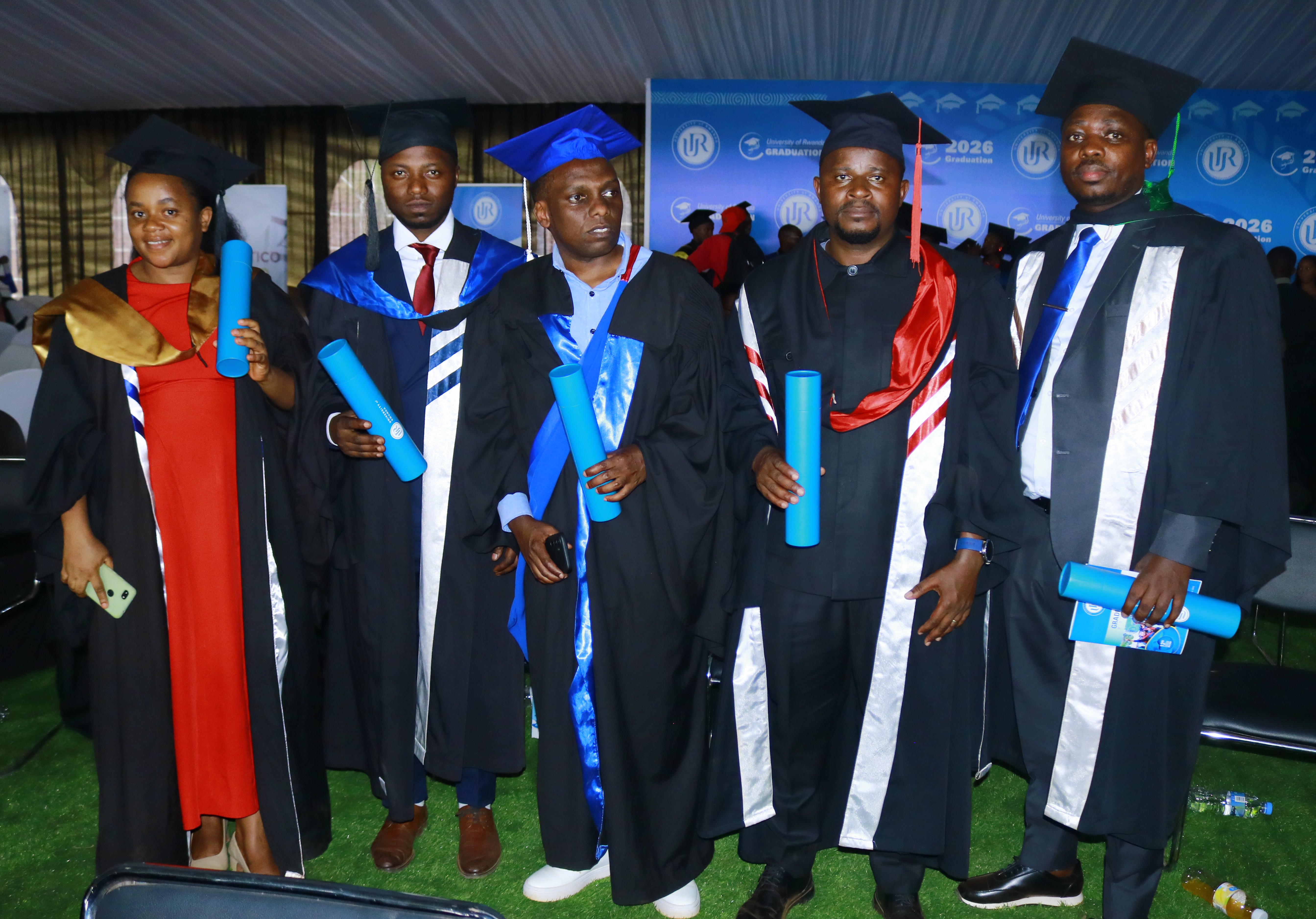
Sixty-Eight ACE-DS students graduate at the 12th UR graduation ceremony
The graduation ceremony took place at Rukara Campus on Friday, October 23, in the presence of Minister of Education Joseph Nsengimana. This is the 12th graduation since UR’s establishment.
UR Vice Chancellor Dr Didas Kayihura Muganga attributed the decline to reforms introduced in the 2022–2023 academic year to standardise undergraduate programmes at four years. He said many students enrolled in programmes that previously lasted three years were yet to complete the extended courses.
“Today’s graduates are fewer due to the continuous reforms and adjustments. In 2022, most of our three-year programmes were extended to four years, and so the majority of students in those programmes are yet to graduate,” Muganga said.
Despite the lower overall numbers, PhD graduates increased by 40 per cent, from 35 in 2025 to 49 this year. Muganga said the ceremony reflected the range of academic disciplines across the university’s colleges.
In her speech, UR Chancellor Patricia Campbell reminded graduates that careers rarely follow a predictable path, urging them to remain resilient when faced with setbacks.
“There are always unexpected challenges. One needs to adjust, renew commitment and recover with perseverance, knowing that, over time, things can reach new heights,” Campbell said.
She encouraged the graduates to make the most of the opportunities available to them and use their education to contribute to society.
“We are most fortunate to be here today, and we all want to make the most of the gifts that we have. You have an opportunity. You live in an environment that supports growth, and you have the ability to contribute,” she said.
Minister of Education Joseph Nsengimana thanked parents for supporting their children throughout their education and urged graduates to apply their knowledge to Rwanda’s development priorities.
He highlighted the need to create jobs, strengthen education and health systems, modernise agriculture, expand industry and accelerate digital transformation.
“Meeting these needs requires more than academic qualifications. It requires critical thinking, creativity, integrity and the ability to turn knowledge into practical solutions. This is where you come in. Your degree is an important achievement, but its true value will be demonstrated by what you do with the knowledge and skills you have acquired,” Nsengimana said.
- Log in to post comments


